As temperatures rise, ants, flies, and crawling insects become more active around commercial buildings. Spring is when overwintering pests move, moisture returns, and exterior conditions start pushing insects toward docks, entries, and warm interior zones.
Facilities that prepare before peak activity usually spend less time reacting later — with cleaner perimeters, clearer inspection routes, and a monitoring plan already in place.
What spring pressure usually looks like
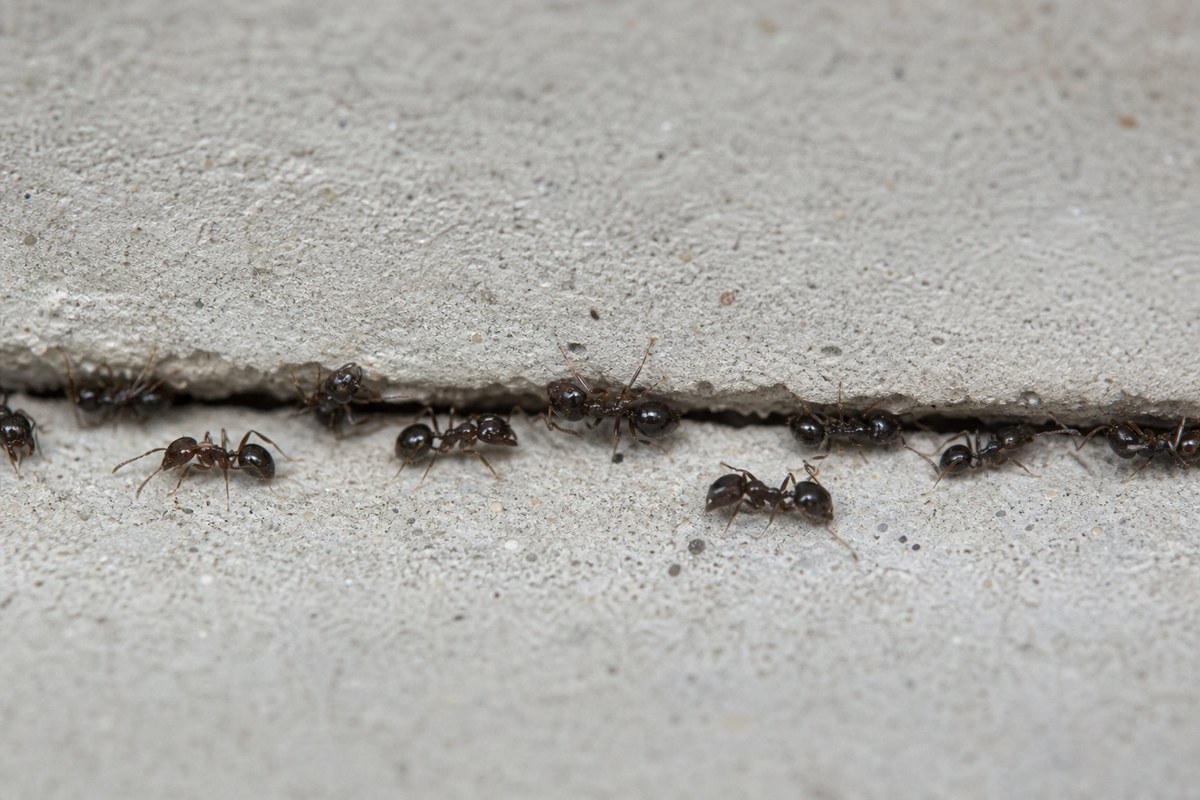
Ant trails often appear near entries, break rooms, and foundation cracks. Flies increase around trash, drains, and moisture. Spiders and other crawlers follow the insect food source toward lighting and sheltered exterior corners.
- Ant activity around doors, windows, and kitchenettes
- Fly pressure near dumpsters, floor drains, and loading areas
- Crawling insects along baseboards and exterior wall lines
Prepare the exterior before activity peaks
Spring prep starts outside. Clear vegetation against walls, improve drainage where water pools, and reduce clutter that creates harborage. A cleaner perimeter makes inspections easier and gives insects fewer places to stage before entering.
Tighten interior habits that invite insects
Inside the building, focus on sanitation and moisture. Empty trash on schedule, wipe residue in break areas, and address leaky drains or standing water. These habits reduce attractants so treatments and monitoring do more useful work.
Set a monitoring plan for the season
Spring is a good time to reset sticky monitors, document baseline activity, and walk high-risk zones on a regular cadence. When activity rises, your team already knows where to look and what changed.
- Place monitors in kitchens, docks, and mechanical rooms
- Record findings so trends are visible week to week
- Schedule a facility walkthrough before peak warm weather